 PLENBook a visitPLENBook a visit
An address that gains value together with the region
The principles and trends that form the economic foundation of the property market.
An estate on 21 hectares with its own park, pond, infrastructure and property management stops being a dot on the map — it becomes a point of reference. Neighbours’ listings start to state their distance from it.
An individual house on a plot is worth as much as the area around it. A large, coherently planned development works the other way round. It raises the value of the whole area.
Your property is worth what someone is willing to pay for it. How quickly matters too. An apartment on a recognisable estate means comparable units, a transaction history and a clear standard. The buyer knows what they are viewing, and the bank knows what it is valuing.
A house needs one buyer willing to take over a place once designed around someone else’s needs. An apartment in a park appeals to a much larger group of buyers. It often finds its next owner in weeks, not seasons.
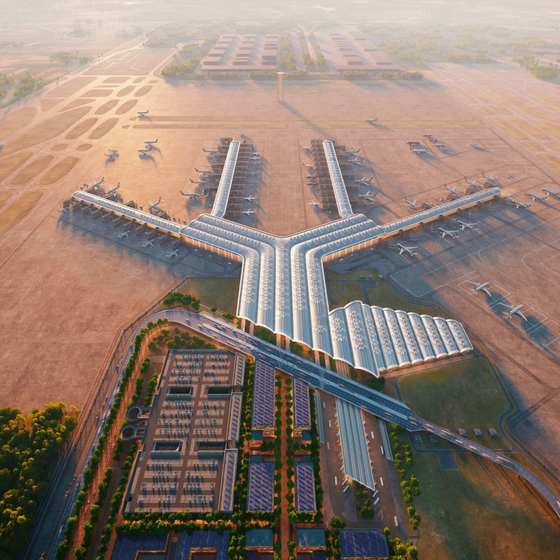
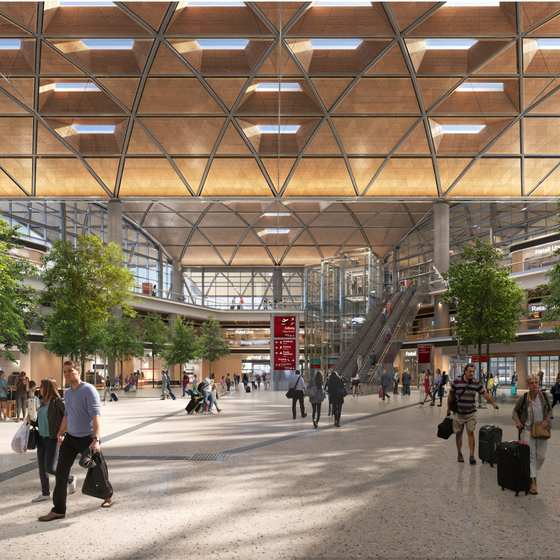
The new Port Polska airport, together with its high-speed rail hub, is the largest infrastructure investment in Poland.
Airports change their surroundings twice: first through construction and staff on multi-year contracts, then through lasting demand for homes within commuting distance. Mostki lies 25 km from the airport, on the quiet side of the planned flight path.
Port Polska is changing western Mazovia.
Source: Port Polska — programme materials, 2026; distance to the airport: own measurement.
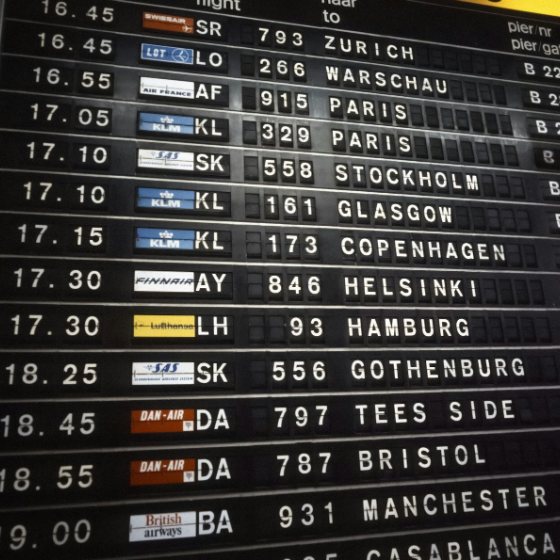
Areas around major airports are among the fastest-growing economically. An Aerotropolis takes shape — a whole new urban fabric of offices, logistics, hotels, homes and services, linked to the airport by rail and road. Air traffic drives it: global passenger numbers are forecast to increase by 3.6% a year, and cargo by around 4%. New jobs follow — at Port Polska, 35,100 in the airport zone at opening and 70,000–140,000 across the region.
Sources: Airbus Global Market Forecast 2025 (passenger traffic); Boeing World Air Cargo Forecast 2024 (cargo); Port Polska programme materials 2026 (jobs); Wüest Partner Deutschland for PRS Family Trust (2020); Ørestad, Copenhagen (2020 data); Haarlemmermeer municipality (2021 data). Historical and market data are given as context, not as a promise of future results. Property values can go down as well as up.